Building a Rental Marketplace: Run It Like a Good Bakery
Rental listings go stale fast and inquiries arrive in waves. Here is what a rental marketplace has to get right, from the shop window to the signed tenancy.
 Imobria team · 3 min read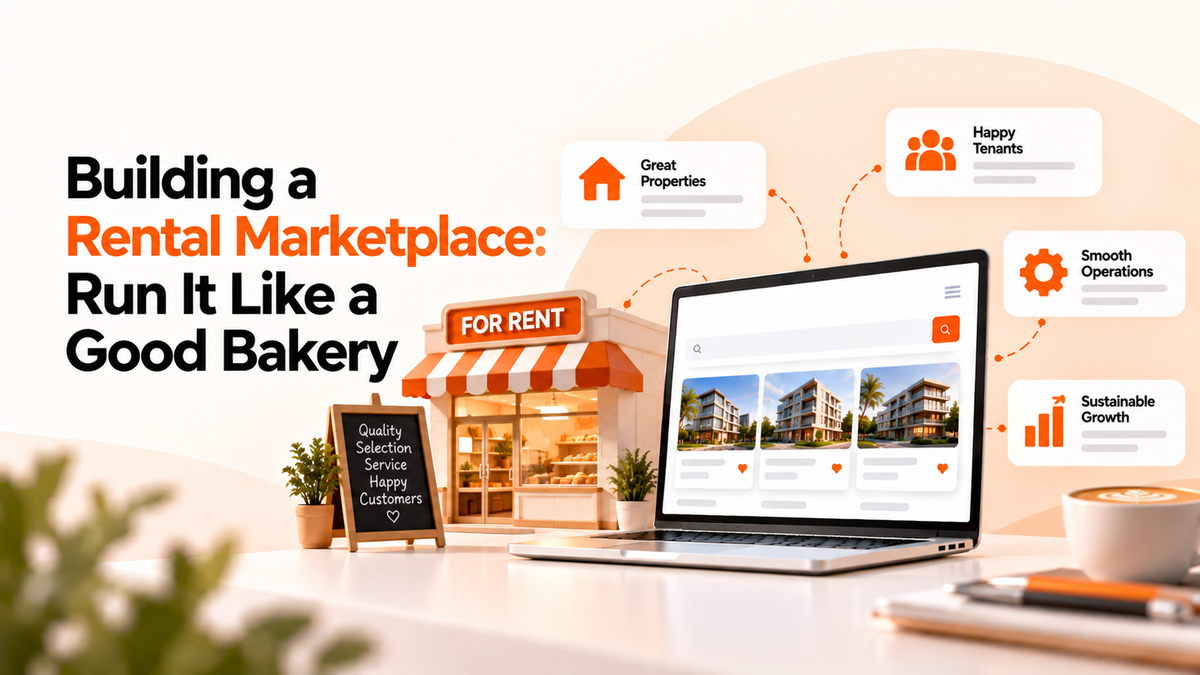
A flat goes live on Monday morning. By lunchtime there are a dozen messages about it. By Wednesday it is let.
On Friday, someone still sends a polite WhatsApp asking if it is available.
Rentals move at a different speed from sales. That is fine, as long as your marketplace is built for the pace. Here is what to get right.
A rental marketplace is a bakery
A bakery's stock is fresh every morning and gone by the afternoon. The shop lives or dies on two things: what is in the window must be on the shelf, and the queue must keep moving.
Rentals are the same. Listings arrive, let and disappear within days. Tenants queue in your inbox. Get the window and the queue right, and most of the rest follows.
Keep the window honest
Nothing loses a tenant's trust faster than inquiring about an apartment that was let last week. It is a full window in front of an empty tray.
So listing changes have to be quick and land everywhere at once. In Imobria, listing management is where each property lives. When an agent marks an apartment as let, your branded marketplace and the rest of the team see the change straight away.
Role-based access lets each agent look after their own properties while managers see the whole shop.
Keep the queue moving
Rental inquiries come in waves, and most tenants contact several landlords at once. The fastest sensible reply usually wins.
The trouble is that the queue forms in several places at once: web forms, email, WhatsApp and someone's personal inbox. Ticketing in Imobria brings web forms, email and WhatsApp Business into one view, so every inquiry has an owner and a status.
Your listings.
Your own destination.
Then let workflows and automations do the repetitive part: an instant acknowledgement, a nudge when an inquiry sits unanswered, a polite note to everyone else once an apartment is let.
Those last messages are small. Tenants remember them.
Know your regulars
A good baker knows who comes in for the sourdough every Saturday. A good rental business knows its tenants the same way.
A tenant who missed out on one flat is a strong lead for the next. Keep them in the CRM with what they are looking for: budget, area, move-in date, pets or no pets. When something suitable comes in, you already know who to call.
That list is one of the most valuable things a rental marketplace owns. It should not live in a spreadsheet on one agent's laptop.
From viewing to keys without the paper chase
Once a tenant is interested, the work changes shape. It is less about speed and more about not dropping anything.
- Calendar and viewings books viewings without the back-and-forth.
- Transaction management tracks each let from agreed to moved in.
- Documents and e-signing handle the tenancy agreement without a printer.
- Invoicing and financials raise the invoices that go with it.
- Tasks cover the jobs in between: keys, meter readings, the inventory visit.
If you use other tools along the way, Zapier, webhooks and the API are there to connect them, and Xero connects directly.
Your name above the door
Tenants choose who to rent through partly on reputation, so the marketplace should look like yours, not a borrowed shop.
Your branded front end is designed and built for you. The platform behind it is shared, run by us and hosted in Europe. You pay once for the front end, then a monthly subscription based on active listings, with every feature and all your users included. Already have a website or app? You can use just the API instead.
The short version
Keep the window honest, keep the queue moving, and remember your regulars.
If you are planning a rental marketplace, book a demo and we will show you how yours could run. Coming from an agency background? Read From Brokerage to Marketplace.
Find the right Imobria for your business
Compare products, setup scope and listing plans.
View pricing